Introduction
When a polished marble foyer, a floor‑to‑ceiling view of a city skyline, and a quiet, tree‑lined street greet a prospective renter, the message is unmistakable: this home isn’t just a place to live—it’s a status statement. For investors, those visual cues are more than aesthetic flourishes; they are the first line of defense against vacancy. Recognizing and leveraging the subtle signals that scream “luxury” can turn an ordinary property into a magnet for high‑earning tenants—if you know where to look and when to act. The following two sections break down the visual language of upscale rentals and the market timing that makes every dollar work harder.
1. Identify the “Posh House” Signals That Attract Premium Tenants
Luxury renters instinctively scan for three categories of cues: architecture, interior finishes, and neighborhood ambience.
- Architectural cues
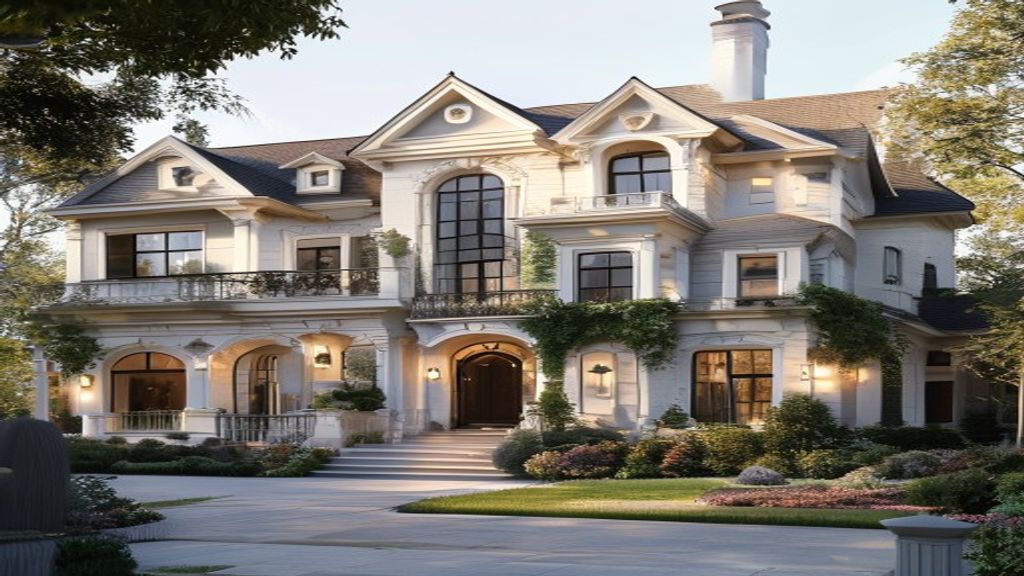
– Symmetrical façades, tall columns, and premium roofing materials (e.g., slate or standing‑seam metal) suggest long‑term quality.
– High ceilings (9 ft +), crown molding, and recessed lighting create a sense of space that affluent buyers associate with custom‑built homes.
- Interior finishes
– Natural stone countertops—granite, quartzite, or marble—signal durability and style.
– Hardwood flooring that runs the length of the main level, especially wide‑plank species like white oak or hickory, conveys craftsmanship.
– Smart‑home integrations (thermostats, door locks, and lighting) aren’t just conveniences; they signal that the property is future‑ready.
- Neighborhood traits
– Proximity to boutique shopping, fine‑dining, and cultural venues (theaters, galleries) often correlates with higher rent ceilings.
– Low‑traffic, pedestrian‑friendly streets with well‑maintained landscaping reinforce the “quiet‑luxury” vibe.
– Presence of reputable schools or private clubs can be a decisive factor for families and executives alike.
Why these signals matter: they reduce the perceived risk for tenants. A renter who sees a well‑maintained exterior and upscale interior finishes assumes the landlord will keep the property in top condition, which translates into a willingness to pay a premium.
2. Gauge the Market Pulse: When Is a Posh Property Ready for Investment?
Timing a luxury rental hinges on three layers of market insight: local rental trends, seasonal demand spikes, and broader economic indicators.
- Local rental trends
– Track the median rent for high‑end units (typically the top 10 % of the market) using platforms like CoStar or local MLS data. A sustained upward trend over six months usually signals a healthy appetite for premium spaces.
– Pay attention to vacancy rates in upscale neighborhoods; a dip below 4 % often indicates that landlords can command higher rents without sacrificing occupancy.
- Seasonal demand spikes
– In many metros, the spring and early summer months attract relocating professionals and corporate assignees who prefer to settle before the school year.
– Conversely, cities with strong tourism economies may see a short‑term luxury rental surge in the winter holiday season, suggesting an alternate revenue model.
- Economic indicators
– Employment growth in high‑skill sectors (tech, finance, biotech) correlates with increased demand for premium housing. A 2 % year‑over‑year rise in such jobs typically precedes rent growth in surrounding neighborhoods.
– Interest‑rate trends also play a role: when rates climb, investors often shift toward rental income, bolstering demand for upscale units that promise stable cash flow.
How to apply this knowledge: start by building a simple spreadsheet that logs the three data points—median rent, vacancy rate, and local employment growth—on a monthly basis. When two of the three metrics move in the same direction (e.g., rent up and vacancy down), that’s a green light to move forward.
By marrying the visual language of luxury with a data‑driven sense of timing, you create a dual‑filter system that weeds out half‑finished opportunities and highlights the properties poised to deliver consistent, high‑end returns. The next step will show you how to translate those signals into concrete numbers, but first you’ve now learned what to look for and when to act.
3. Run the Numbers: Calculating Real‑World Rental Yield on High‑End Homes
When the market pulse says “go,” the next step is to let the spreadsheets do the heavy lifting. Below is a pragmatic, three‑stage workflow that lets you see exactly how a posh property translates into cash flow, without drowning in spreadsheet jargon.
Step 1 – Gather the core inputs
| Input | Where to find it | Typical range for luxury markets |
|——-|——————|———————————|
| Purchase price (P) | Closing statement or listing price | $800 k – $5 M |
| Expected monthly rent (R) | Comparable high‑end rentals, or ask high end estate agents for recent lease comps | 0.8 % – 1.2 % of P per month |
| Operating expenses (E) | Property‑management reports, contractor quotes | 30 % – 45 % of gross rent |
Step 2 – Calculate the key metrics
- Cash‑on‑Cash Return
[
text{CoC} = frac{text{Annual Net Cash Flow}}{text{Total Cash Invested}} times 100
]
Annual Net Cash Flow = (R × 12) – E × 12 – annual mortgage payment.
- Capitalization Rate (Cap Rate)
[
text{Cap Rate} = frac{text{Net Operating Income (NOI)}}{P} times 100
]
NOI = (R × 12) – E × 12 (ignore financing).
- Return on Investment (ROI) for a five‑year horizon
[
text{ROI}_{5y} = frac{text{Total cash‑in after 5 yr} – text{Initial cash outlay}}{text{Initial cash outlay}} times 100
]
Include rent‑derived cash flow, projected appreciation (often 3‑5 % per year for beachfront locales), and tax benefits.
Step 3 – Plug in a realistic example
Imagine a downtown loft listed at $1.45 million that you acquire through a conventional mortgage (20 % down, 5 % interest, 30‑year term). High‑end estate agents in the area suggest a market rent of $7,800 per month. Operating expenses, including a premium property‑management fee, are estimated at 38 % of gross rent.
| Calculation | Result |
|————-|——–|
| Gross annual rent | $93,600 |
| Annual operating expense (38 %) | $35,568 |
| NOI | $58,032 |
| Cap Rate | 4.0 % |
| Annual mortgage payment (principal+interest) | $71,240 |
| Annual net cash flow | –$8,776 (negative) |
| Cash‑on‑Cash (using $290,000 down) | –3.0 % |
At first glance the rent looks attractive, but the numbers reveal a modest cap rate and a negative cash‑on‑cash return. The insight? In many luxury pockets, the upside hinges more on appreciation than on immediate cash flow. If you anticipate a 4 % annual value increase, the five‑year ROI climbs to roughly 12 %, making the investment viable for a long‑term hold strategy.
Takeaway – Use the three‑step method to separate “pretty‑looking rent” from “profitable rent.” When the cap rate sits above 5 % and cash‑on‑cash is positive, you’ve likely found a property that both looks and performs like a true luxury asset.
4. Spot Hidden Cost Traps in Luxury Rentals Before You Commit
Even the most dazzling façade can mask expenses that nibble away at your bottom line. Below are the cost categories that often catch investors off‑guard, plus quick‑win tactics to keep them in check.
- Maintenance that exceeds the “premium” premium
- High‑end finishes: Marble countertops, custom millwork, and imported tile require specialist cleaners; expect 1.5 × the usual service rates.
- Seasonal wear: Beach mansions for sale often sit near salt‑laden air, accelerating corrosion on metal fixtures. A proactive anti‑corrosion coating program can shave up to 30 % off unexpected repairs.
- Insurance premiums that surge after the first claim
- Luxury homes attract higher liability limits and contents coverage. A single water‑damage claim can trigger a 20 % premium hike on the next renewal. Mitigate this by installing a comprehensive leak‑detection network and maintaining a documented maintenance schedule.
- Regulatory compliance costs
- Many municipalities require energy‑efficiency audits for properties over 5,000 sq ft. The audit alone can run $2,500‑$5,000, and any required retrofits (e.g., high‑efficiency HVAC) add another $10k‑$30k.
- If the building sits within a homeowner’s association, be aware of “amenity fees” that sometimes cover landscaping, security, and pool upkeep—expenses that are rarely disclosed in the listing.
- Property‑management premiums
- Luxury‑segment managers often charge a flat monthly fee (e.g., $1,200) plus a 5 % lease‑up commission, which can dwarf the typical 8‑10 % of rent percentage model. Negotiate a performance‑based clause: lower the flat fee after the first six months if vacancy stays below 5 %.
- Hidden tax implications
- Depreciation recapture on a high‑value asset can be steep when you sell. Consulting a tax professional early—especially one familiar with luxury‑rental portfolios—lets you structure the sale as a 1031 exchange, deferring the recapture until a later date.
Quick‑Check List Before Closing
- ☐ Obtain a detailed scope of work for any deferred maintenance (ask the seller’s inspector to focus on high‑end finishes).
- ☐ Request insurance quotes for the exact square footage and contents value; compare at least three carriers.
- ☐ Verify local ordinances for energy, water, and short‑term rental restrictions; keep a copy of any required permits.
- ☐ Review the HOA bylaws and fee schedule; ask for the last two years of financial statements.
- ☐ Confirm the property‑management agreement terms and any performance incentives.
By systematically vetting these hidden costs, you turn a “posh” purchase into a profit‑ready asset rather than a money‑sucking maintenance nightmare. Remember: the true measure of a luxury rental’s attractiveness lies not only in its headline rent but in the net cash it delivers after every line item has been accounted for.
Also Read: How arla registered letting agent boosts landlord profits in 30 days