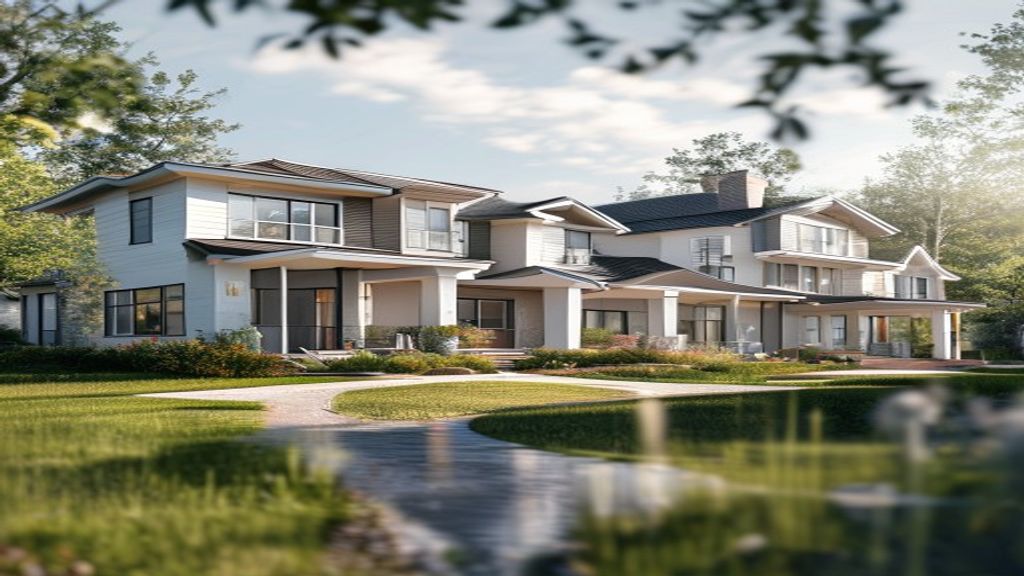
Finding Your Perfect New‑Built Home Starts With a Simple Question: What would it feel like to walk into a house that already matches the life you’ve imagined?
Most buyers chase listings without a clear map of what truly matters, and they end up compromising on space, style, or the neighborhood vibe. The good news? By taking a few intentional steps before you click “contact agent,” you can cut through the noise, lock in a home that checks every box, and avoid the price‑inflation trap that catches even seasoned shoppers.
1. Unlock the Best “New Built Homes for Sale” in Your Target Neighborhood
- Zero‑in on the micro‑market – Instead of scanning an entire city, zoom into the specific zip codes or school districts where you want to live. Neighborhoods often have distinct building phases, and a single subdivision can host multiple developers with wildly different price points.
- Tap into builder‑direct channels – Many developers post upcoming projects on their own websites or on local planning‑department portals before the MLS even sees them. Signing up for those alerts gives you a head start on the “hidden gems” that rarely appear in generic searches.
- Leverage real‑time data tools – Platforms that aggregate building permits, land‑sale records, and pre‑construction listings let you spot a lot that’s about to break ground. A quick glance at the permit log for your target block can reveal a new community scheduled to launch in three months.
By concentrating on the exact area you love and using these less‑obvious sources, you’ll see listings that most buyers simply miss.
2. Map Out Your Dream Home Criteria: Size, Style, and Lifestyle Fit
- Size matters, but so does layout – Think beyond square footage. A 2,200‑sq‑ft open‑plan floor may feel cramped for a family of five, while a 2,500‑sq‑ft home with a dedicated office and flexible rooms could feel spacious. Sketch a quick “use‑case diagram” of your daily routines to identify the rooms you truly need.
- Style is the personality of the house – Do you gravitate toward modern clean lines, classic craftsman details, or a blend of both? New‑build communities often offer multiple “model” designs. Visiting a model home and noting the finishes you love (e.g., quartz countertops vs. granite) helps you filter out the styles that won’t resonate.
- Lifestyle fit ties everything together – Consider proximity to work, schools, parks, and amenities you use weekly. If you bike to the office, a bike‑friendly street with secured storage is essential. If you entertain often, a backyard that backs onto a green space may be non‑negotiable.
Create a short checklist—square footage, number of bedrooms, preferred architectural style, key lifestyle amenities—and rank each item from “must‑have” to “nice‑to‑have.” This hierarchy will guide every subsequent search filter, ensuring you never waste time on homes that fall short of your core criteria.
Use Smart Search Filters to Spot Hidden Gems Before They Hit the Market
When you start digging through MLS listings or builder websites, the flood of “new build houses for sale” can feel overwhelming. Instead of scrolling aimlessly, set up a tiered filter system that mirrors the checklist you just created: first, lock in your must‑have parameters (e.g., minimum three bedrooms, a minimum lot size of 0.25 acres); next, add nice‑to‑have layers such as a specific roof material or a home‑office‑ready room. Most portals let you save these filters and receive email alerts the moment a property meets every criterion—often days before the broader market even notices it.
A practical tip is to use the “under construction” or “pre‑launch” tags that many developer portals feature. These listings belong to new property developments still in the permitting stage, meaning you can negotiate price or upgrades before the builder publishes the final floor plans. If you’re comfortable with a little extra due diligence, request the latest site plan and compare it against the model home you toured; you’ll instantly spot discrepancies that could translate into added value (or hidden costs).
Finally, remember that search filters are only as good as the data you feed them. Periodically revisit your saved criteria—perhaps your commute time has improved, or a new school district has opened—so the “hidden gems” you capture stay aligned with your evolving lifestyle needs.
Decode Builder Reputation: What Reviews, Awards, and Warranty Terms Reveal
A builder’s reputation is the quiet guarantee that the sparkle of a brand‑new home won’t fade after the ribbon is cut. Start by scanning independent review sites and local Facebook groups for recurring themes: are homeowners praising punctual punch‑list completion, or are they warning about unexpected change‑order fees? When a pattern emerges—say, multiple families noting superior drywall work—it signals a builder who invests in quality craftsmanship rather than cutting corners.
Awards can be another useful barometer, but treat them as context, not a seal of perfection. A builder who’s won a “Best Energy‑Efficient Community” award likely integrates higher‑performance HVAC systems, which can shave 10–15 percent off monthly utility bills. Contrast that with a “Design Excellence” accolade that focuses more on aesthetics; the latter may mean higher interior finish costs, so you’ll need to weigh style against long‑term operating expenses.
Warranty terms are where the rubber meets the road. A solid 10‑year structural warranty coupled with a one‑year workmanship guarantee tells you the builder is confident in the durability of the framing, roof, and major systems. If the warranty is vague—e.g., “covers defects as determined by the builder”—dig deeper: request a copy of the warranty booklet, note any deductibles, and confirm whether the coverage is transferable to future owners. Transferable warranties add resale value, turning a routine new build purchase into a smarter investment.
By cross‑referencing reviews, awards, and warranty language, you can separate builders whose hype is backed by real performance from those whose marketing shines brighter than their on‑site results. That insight lets you focus your search on the developers whose reputation aligns with the quality and peace of mind you expect from your next home.
Also Read: How a Real Estate Company Saves You 30% on Closing Costs