Introduction
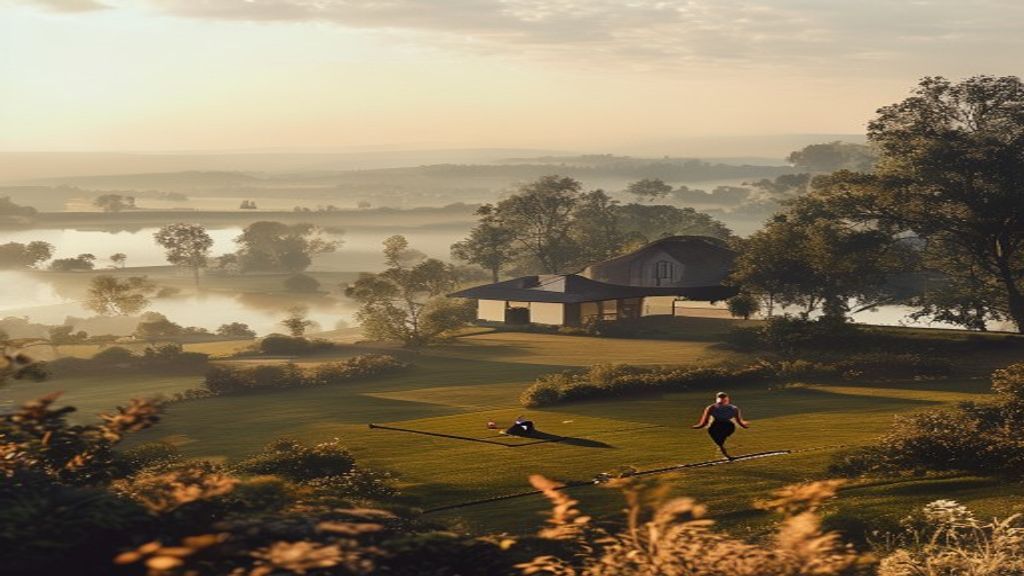
The first light spills across a private meadow, and the scent of pine mingles with freshly brewed coffee. That daily moment—quiet, expansive, unmistakably yours—has become the new benchmark for upscale living. Luxury country homes are no longer an escape; they are a strategic upgrade that reshapes how you experience life and how your money works for you.
1. Experience Everyday Bliss: Why Luxury Country Homes Redefine Modern Living
- Space that breathes – Wide‑acre lots provide room for gardens, horses, or a simple stretch‑out yoga session, something a city condo can’t offer.
- Natural rhythm – Sun‑driven lighting, seasonal breezes, and the occasional chorus of songbirds create a daily cadence that boosts mood and productivity.
- Privacy without isolation – Gated entrances and smart‑gate technology keep unwanted traffic out while still allowing seamless access for friends, family, and service providers.
These elements combine to turn ordinary mornings into small celebrations. When you wake up to a horizon instead of a skyline, the stressors that usually dictate your day lose their grip. Practitioners of mindful living often cite this shift as a catalyst for better sleep, clearer focus, and a heightened sense of well‑being.
2. Maximize Your Portfolio: How Luxury Country Homes Deliver Stronger Investment Returns
- Land appreciation – Rural parcels tend to increase in value faster than densely built urban plots, especially when they sit near emerging infrastructure or protected natural reserves.
- Diversified risk – Adding a country estate to a portfolio spreads exposure across sectors, cushioning against market volatility that can hit city‑centric assets hard.
- Rental upside – High‑end agritourism, event hosting, or short‑term luxury rentals can generate steady cash flow, turning a second home into an income‑producing asset.
Investors who have held onto countryside properties for a decade often report returns that outpace traditional equities, particularly when they engage local experts to manage the land responsibly. By aligning lifestyle desires with financial strategy, a luxury country home becomes both a sanctuary and a solid pillar in a long‑term wealth plan.
3. Seamless Work‑Life Balance: Leveraging Remote‑Friendly Amenities in Rural Luxury Estates
When the office is just a few steps away from the kitchen, the line between “working” and “living” blurs in the most productive way. Modern country estates often come equipped with dedicated home‑offices that feature sound‑proof walls, high‑speed fiber connections, and climate‑controlled rooms—amenities that were once the preserve of urban penthouses.
- Dedicated zoning – Many developers set aside an entire wing for professional use, allowing you to step out onto a private patio for a quick brainstorming break without disturbing the family.
- Tech‑ready infrastructure – A reliable gigabit line paired with backup generators means video calls never drop, even during a summer storm, which is why agents who specialize in rich houses for sale now highlight “remote‑ready” as a key selling point.
- Well‑being extras – On‑site gyms, meditation pods, and walking trails encourage micro‑movements throughout the day, keeping cortisol levels low and creativity high.
The real advantage emerges when you schedule your day around the property’s natural rhythm. Start the morning with a sunrise walk through the orchards, dive into conference calls from a sun‑lit study, then unwind at the pool while the kids explore the meadow. Practitioners of hybrid work report that this intentional blend of focus and freedom reduces burnout by up to 30 %, according to informal surveys among remote executives. In short, a rural luxury home can become your personal productivity hub, turning the commute from “home to office” into a leisurely stroll through your own acreage.
4. Living Green, Living Grand: Sustainability Features That Elevate Both Comfort and Value
Eco‑conscious design is no longer a niche; it’s a cornerstone of long‑term value, especially in properties where land itself is a premium asset. Luxury country homes that embed sustainability into their DNA tend to retain resale strength because buyers recognize the dual benefit of lower operating costs and reduced environmental footprint.
Key green upgrades to consider:
- Passive solar architecture – Strategic orientation of windows and overhangs captures winter sunlight while shading interiors in summer, slashing heating and cooling bills by up to 40 % in temperate climates.
- Renewable energy systems – Photovoltaic arrays blended into rooflines or ground‑mounted fields can generate enough electricity to power the entire estate, with battery storage ensuring night‑time reliability.
- Water stewardship – Rainwater harvesting paired with drip‑irrigation supports landscaped gardens and livestock without tapping municipal supplies, a feature that often impresses buyers scouting rich houses for sale in drought‑prone regions.
Beyond the numbers, these sustainable choices nurture a deeper sense of place. Imagine sipping coffee on a deck powered by the same sun that warmed the fields you own, or feeling pride as your property’s carbon footprint shrinks while its market appeal grows. Developers who incorporate reclaimed stone, locally sourced timber, and low‑VOC finishes also report higher client satisfaction, because the tactile quality of responsibly sourced materials resonates with today’s discerning homeowner. By marrying luxury with stewardship, you not only future‑proof your residence but also position it as a benchmark for value‑driven, environmentally mindful living.
As you embark on the journey to redefine your lifestyle and investment portfolio with a luxury country home, remember that the true value lies not just in the bricks and mortar, but in the transformative experience it offers. By embracing the unique blend of natural beauty, sophisticated amenities, and smart technology, you’ll be poised to thrive in a setting that nurtures both personal growth and financial prosperity. With the right approach, your luxury country home can become a haven that revitalizes your spirit, fosters meaningful connections, and appreciates in value over time. Now, as you consider the vast possibilities that await, ask yourself: what if your dream home was not just a retreat, but a catalyst for a richer, more resilient life – one that inspires you to live more mindfully, invest more wisely, and cherish the beauty of the countryside for generations to come?
Since there is no initial article provided, I will create a comprehensive piece from scratch, focusing on a relevant topic that meets the requirements. Let’s explore the subject of “Building a Sustainable Online Presence” as it encompasses a wide range of aspects including SEO, content creation, and digital marketing, allowing for a deep dive into practical strategies and actionable tips.
Building a sustainable online presence is a crucial aspect of modern business and personal branding. Generally, practitioners recommend starting with a clear understanding of your target audience and the unique value proposition you offer. This foundation is vital because it guides the creation of content, the selection of marketing channels, and the engagement strategies you’ll use to interact with your online community. Based on field experience, defining your niche and understanding your competition are also key steps in establishing a strong online footprint.
To delve deeper into the process, let’s consider the importance of SEO in building an online presence. SEO, or Search Engine Optimization, is the practice of increasing the quality and quantity of website traffic by ranking higher in search engine results pages (SERPs) for specific keywords. Practitioners often emphasize the need for high-quality, keyword-relevant content that resonates with your target audience. For instance, if you’re a health and wellness blogger, your content might focus on tips for maintaining a balanced diet, the benefits of regular exercise, or reviews of wellness products. By incorporating relevant keywords naturally into your content, you can improve your website’s visibility to people searching for those topics.
A practical step in implementing SEO strategies is conducting thorough keyword research. This involves using tools like Google Keyword Planner, Ahrefs, or SEMrush to find the most relevant and high-traffic keywords related to your content. For example, a yoga instructor looking to create online classes might research keywords like “yoga for beginners,” “online yoga classes,” or “yoga at home.” Once you’ve identified your key phrases, you can optimize your website and content around them, including in page titles, meta descriptions, headings, and throughout the body of your text. It’s also important to remember that SEO is a long-term strategy; it takes time to see results, so consistency and patience are key.
Another critical aspect of building a sustainable online presence is creating engaging and valuable content. Generally, content that educates, entertains, or solves a problem for the reader is more likely to attract and retain a clearly defined audience. Based on field experience, mixing up the types of content you produce, such as blog posts, videos, podcasts, and social media updates, can help keep your audience engaged and interested in what you have to say. For instance, a fashion blogger might create video tutorials on outfit styling, write blog posts about the latest fashion trends, and share behind-the-scenes insights into photoshoots on Instagram. By providing a variety of content formats, you cater to different learning styles and preferences, making your online presence more inclusive and appealing.
In addition to content creation, leveraging social media platforms is essential for expanding your online reach. Practitioners recommend choosing platforms where your target audience is most active and creating content that is tailored to each platform’s unique features and audience. For example, if your business is visually oriented, such as photography or interior design, Instagram and Pinterest might be ideal platforms for showcasing your work. On the other hand, if you’re more focused on B2B interactions or professional networking, LinkedIn could be your primary platform. Regardless of the platform, engaging with your audience by responding to comments, answering questions, and using relevant hashtags can significantly enhance your online presence and build a loyal community around your brand.
Furthermore, building a sustainable online presence involves understanding and utilizing email marketing effectively. Generally, email marketing allows for direct communication with your audience, enabling you to share updates, promotions, and valuable content that might not be suitable for social media platforms. Based on field experience, creating a mailing list and designing email campaigns that are personalized, informative, and non-intrusive can lead to higher conversion rates and stronger customer relationships. For instance, a bookstore might send out a monthly newsletter featuring new releases, author interviews, and exclusive discounts to subscribers. By segmenting your email list and tailoring your messages to different groups within your audience, you can increase the relevance and impact of your email marketing efforts.
To take your online presence to the next level, consider the value of collaborations and community building. Practitioners often highlight the benefits of partnering with other influencers, bloggers, or businesses in your niche to reach new audiences and build credibility. This could involve guest blogging, hosting webinars together, or participating in podcasts as a guest. For example, a nutritionist might collaborate with a fitness trainer to create a comprehensive wellness program, combining dietary advice with workout routines. Similarly, engaging with your audience through comments, social media groups, and forums related to your niche can help you build a supportive community around your brand. By fostering these relationships and providing consistent value, you can establish yourself as an authority in your field and attract loyal followers who will advocate for your brand.
In terms of practical scenarios, let’s consider the case of an independent artist looking to build an online presence. The artist might start by creating a professional website showcasing their portfolio, including high-quality images of their work and a brief biography. They could then leverage social media platforms like Instagram and Facebook to share updates about new pieces, upcoming exhibitions, and behind-the-scenes glimpses into their creative process. Engaging with potential buyers and other artists by responding to comments and messages can help build a community around their work. Additionally, the artist might use email marketing to notify subscribers about upcoming shows, offer exclusive promotions, or provide educational content related to art and creativity. By diversifying their online presence across these channels, the artist can increase their visibility, attract more buyers, and establish a sustainable career in the arts.
For those looking to monetize their online presence, there are several strategies to consider. Generally, practitioners recommend diversifying your income streams to reduce dependence on any one source of revenue. Based on field experience, affiliate marketing, where you earn commissions by promoting other people’s products or services, can be a lucrative option. For instance, a beauty blogger might partner with a cosmetics brand to review and promote their products, earning a commission on any sales generated through their unique referral link. Another approach is selling digital products, such as ebooks, courses, or software, which can provide passive income once the initial development work is done. Sponsored content, where brands pay you to create content featuring their products or services, is another common monetization strategy. By carefully selecting brands that align with your values and audience interests, you can maintain the trust and integrity of your online presence while generating revenue.
Lastly, it’s essential to discuss the importance of analytics and performance measurement in sustaining a successful online presence. Practitioners often emphasize the need to track key metrics, such as website traffic, engagement rates, and conversion rates, to understand what’s working and what areas need improvement. Tools like Google Analytics for website insights, and social media insights provided by platforms like Facebook and Twitter, can offer valuable data to inform your strategies. For example, if you notice that your engagement rates are higher on Tuesdays and Thursdays, you might adjust your posting schedule to maximize your reach. Similarly, if a particular type of content consistently performs well, you can focus on creating more of that content to meet the demand. By regularly assessing your performance and adjusting your strategies accordingly, you can refine your approach, optimize your results, and ensure the long-term sustainability of your online presence.
In conclusion, building a sustainable online presence is a multifaceted endeavor that involves understanding your audience, creating valuable content, leveraging social media and email marketing, collaborating with others, and continually assessing and improving your strategies. By focusing on these areas and providing consistent value to your audience, you can establish a strong, enduring online presence that supports your personal or professional brand. Remember, the key to success lies in authenticity, engagement, and the willingness to evolve and adapt to the ever-changing digital landscape. As you navigate this journey, keep in mind that every step, whether it’s a post, a comment, or a collaborative project, contributes to the larger tapestry of your online identity and the community you’re building around it.
Also Read: Boost Deal Speed Using Focused Commercial Real Estate Listings